

Every outage has two costs. One shows up on a spreadsheet: lost transactions, idle staff, a support queue backing up. The other doesn't show up anywhere, and it's usually the more expensive one.
Your team sees a technical problem with a fix and a timeline. Your customers see a business that wasn't there when they needed it, and they start wondering if it'll happen again. Systems can be back online in a few hours. That question sticks around a lot longer.
Customers Notice the Silence Before They Notice the Fix
Customers expect you to be there when they need you, whether that's logging into a portal, calling with a question, or waiting on a reply. That expectation is baked into every interaction they have with your business.
When access disappears, even briefly, confidence takes a hit. What feels like a routine blip on your end reads as a bigger question on theirs: can we count on this? Once that question is in someone's head, everything about the experience feels a little slower and a little less certain, even after the systems are back up.
The Prospects You Never Know You Lost
Downtime doesn't only affect people who already do business with you. It affects the people who were about to.
Most prospects reach out after they've already done the research and narrowed their options down to a couple of choices. That window is short, and it depends entirely on you being reachable at the moment they act.
If your business is down when someone's ready to buy, they don't wait around. They move to whoever answers next. There's no dashboard that shows you this. No report tracking the call that went to a competitor instead. The loss just doesn't show up anywhere, which makes it easy to underestimate.
Bad Experiences Travel Faster Than Good Ones, Especially Here
A smooth experience rarely gets mentioned. A bad one gets repeated.
Middle Tennessee runs on referrals more than most markets. A lot of new business here starts with an introduction, at a chamber event, through a CPA, in a BNI meeting, and that same word-of-mouth network works against you just as easily as it works for you. A rough outage during a busy week doesn't stay contained to the people who experienced it. It becomes the story someone tells at the next mixer, minus most of the context you'd want them to have.
Online reviews compound it. A handful of complaints tied to one incident can shape how a prospect sees you before you ever get a chance to make your case yourself, and they tend to surface exactly when someone's comparing options.
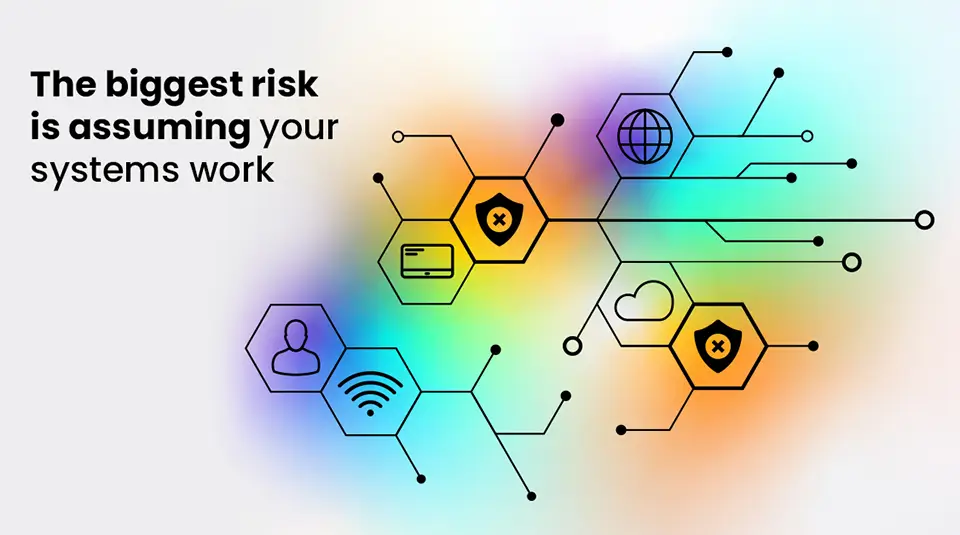
Rebuilding Trust Takes Longer Than Rebuilding the Server
Getting systems back online doesn't reset the relationship. Once a business you rely on lets you down, you hold it to a different standard. People get less forgiving of the next small mistake and more cautious about how much they depend on you, even after everything's technically fixed.
Recent research from Splunk and Oxford Economics found that a large share of CMOs at major companies say downtime directly affects customer lifetime value, not just short-term revenue. That research surveyed large global enterprises, so the dollar figures don't translate directly to a Nashville-sized business, but the underlying pattern does: the damage doesn't stay contained to the day of the outage.
A Recovery Plan Is a Trust Plan
A recovery plan can't stop every outage. What it controls is how you respond to one, and that response is what people actually remember. Customers don't remember how fast your systems came back online nearly as well as they remember how it felt to be your customer while things were down.
The question was never whether something will go wrong. It's whether you'll be ready when it does, and whether your response is something people would tell a friend about instead of a warning.
Not sure if your backups would actually hold up? Schedule a 15-minute backup assessment with Net Works and find out before an outage forces the question.
Schedule Your Free Consultation!